

 See My Latest Article on HelloNation
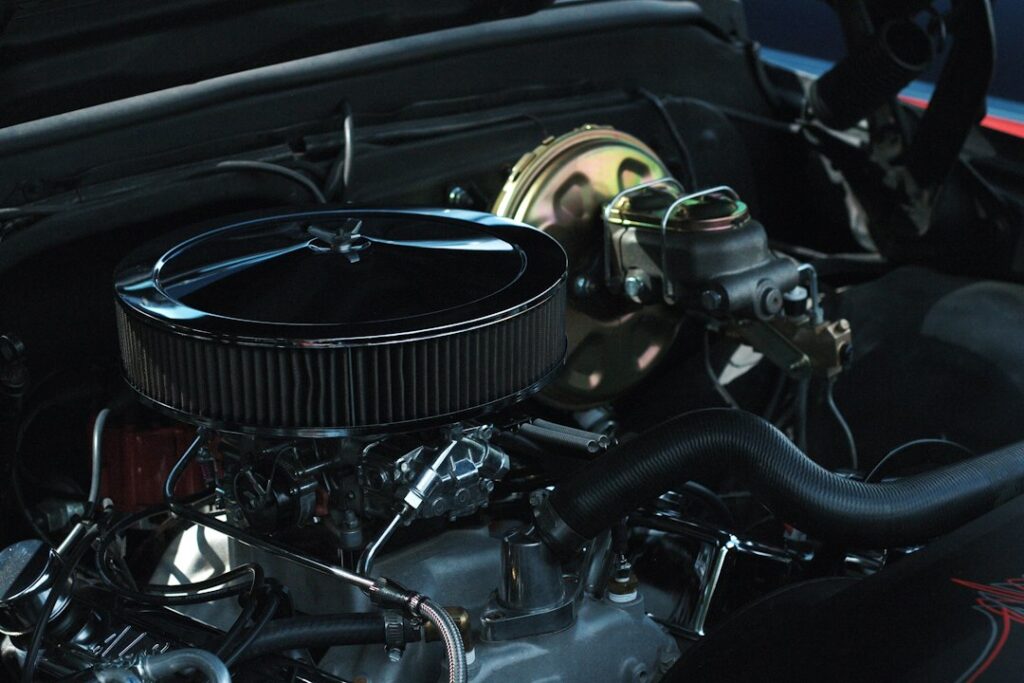
Diesel engines depend on a steady supply of clean air. The air filter protects the engine from dust, grit, pollen, soot, and other particles that could damage internal components or interfere with combustion. A filter that is dirty, damaged, or poorly fitted can reduce performance and increase operating costs.
For residents and equipment operators in Elkton, MD, understanding air-filter maintenance is useful because diesel vehicles and machinery may face changing conditions throughout the year. Seasonal pollen, damp weather, roadside dust, construction activity, agricultural debris, and extended idling can all affect how quickly a filter becomes restricted.
What does a diesel air filter do?
A diesel air filter cleans the air before it enters the engine. Inside the cylinders, fuel is burned with compressed air. That combustion process requires the correct amount of oxygen and a relatively clean intake stream.
The filter traps particles before they reach sensitive components such as:
- Turbocharger compressor blades
- Intake valves
- Cylinder walls
- Pistons and piston rings
- Airflow sensors and intake controls
Without effective filtration, abrasive particles can enter the engine and act much like fine sandpaper. Over time, this may contribute to accelerated wear, reduced compression, oil contamination, and expensive mechanical problems.
A filter does not improve engine power by itself. Its role is protective: it helps the engine receive the air it was designed to use.
How does a restricted air filter affect performance?
A clogged filter limits airflow into the engine. Diesel engines often respond to restricted intake air with reduced acceleration, increased exhaust smoke, lower fuel economy, or difficulty maintaining power under load.
Common signs may include:
- Sluggish acceleration
- Lower power while climbing or hauling
- Dark or excessive exhaust smoke
- Increased fuel consumption
- Uneven operation
- Turbocharger noise that seems different from normal
- A warning light or intake-related fault code
A restricted filter does not always produce an obvious symptom immediately. A vehicle may continue to run while gradually losing efficiency. This is why inspection and service intervals matter even when the engine still starts and idles normally.
Can a dirty air filter damage a diesel engine?
Yes. A dirty filter can cause harm in two different ways.
First, a heavily restricted filter reduces the air available for combustion. The engine may operate with an air-to-fuel imbalance, producing incomplete combustion, soot, and excess heat. This can place additional stress on emissions equipment and turbocharging components.
Second, a damaged or poorly sealed filter may allow unfiltered air to bypass the filter. This is often more dangerous than ordinary restriction. Abrasive particles can reach the turbocharger and cylinders, where they may cause wear that is not immediately visible from outside the engine.
A filter that appears only moderately dirty may still be unsafe if it is torn, collapsed, swollen from moisture, or installed with a damaged seal.
How often should a diesel air filter be replaced?
There is no single replacement interval for every diesel engine. The correct schedule depends on the engine design, filter type, operating environment, and manufacturer’s maintenance guidance.
A vehicle used mostly on paved roads may go longer between replacements than equipment operated around loose soil, gravel, fields, demolition debris, or heavy dust. Engines that idle for long periods may also experience conditions different from those assumed in a standard mileage-based schedule.
A practical approach is to:
- Follow the engine or vehicle maintenance schedule as a baseline.
- Inspect the filter housing and intake tubing during routine service.
- Shorten inspection intervals in dusty or debris-heavy conditions.
- Replace the filter if it is damaged, excessively loaded, damp, or no longer sealing correctly.
- Avoid judging condition by appearance alone if the manufacturer provides a restriction measurement procedure.
Some heavy-duty systems use an air-restriction indicator. This device measures how difficult it is for the engine to draw air through the filter. It can provide more useful information than simply looking at the filter media.
Should a diesel air filter be cleaned instead of replaced?
Some heavy-duty air filters are designed for limited cleaning procedures, but many modern filters are intended to be replaced rather than washed or aggressively blown out. Incorrect cleaning can damage the filter media or create openings that allow dirt to pass through.
Compressed air can also force particles deeper into the filter or damage the pleats. Tapping the filter against a hard surface may create cracks or loosen the sealing material.
The correct method depends on the filter design and the manufacturer’s instructions. A reusable filter should never be treated the same way as a disposable paper-based element. If there is uncertainty, replacing a questionable filter is generally safer than attempting an improvised cleaning method.
What local conditions can make filters load faster?
Air-filter service needs can change with the environment. In and around Elkton, seasonal conditions may expose vehicles and equipment to a mix of moisture, pollen, leaves, road dust, and agricultural or construction debris.

Examples include:
- Driving on unpaved shoulders or gravel access roads
- Operating equipment near soil, mulch, or stored materials
- Working during dry periods when dust remains suspended
- Parking near trees during heavy pollen or leaf-fall seasons
- Using diesel equipment after storms or in damp conditions
- Traveling through areas where roadside debris is frequently disturbed
Moisture deserves particular attention. A filter that becomes wet may swell, restrict airflow, or lose its ability to seal properly. Water entering through a damaged intake snorkel, loose housing, or missing cover can create problems even when the filter is relatively clean.
What should be checked during an air-filter inspection?
An inspection should include more than the filter element itself. The entire intake path affects engine protection.
Look for:
- Tears, holes, or crushed pleats
- Dirt on the clean side of the filter
- A distorted or hardened sealing edge
- Loose housing clamps or missing fasteners
- Cracks in intake hoses
- Loose connections near the turbocharger
- Water, oil, or excessive dust inside the housing
- A restriction indicator that remains elevated
Dirt on the clean side is a warning that unfiltered air may have bypassed the element. Oil inside the intake may point to a separate issue involving the crankcase ventilation system, turbocharger, or intake plumbing. These findings should not be dismissed as ordinary filter dirt.
Does changing the air filter improve fuel economy?
Replacing a severely restricted filter can restore lost airflow and may improve power and fuel efficiency. However, a new filter is not a guaranteed fuel-saving measure if the old one was still operating normally.
Fuel economy is also affected by tire pressure, load, driving habits, idle time, injector condition, turbocharger performance, exhaust restrictions, and engine maintenance. If fuel use changes noticeably after a filter replacement, the filter may have been part of the problem, but it may not be the only cause.
A clean filter also cannot correct a damaged intake hose, faulty sensor, worn turbocharger, or malfunctioning emissions system.
Why is proper air filtration especially important for turbocharged diesels?
Most modern diesel engines use turbochargers to force additional air into the cylinders. This allows the engine to produce useful power from a relatively compact design.
Because the turbocharger spins at very high speed, dirt entering through the intake can damage its compressor wheel or create an imbalance. A restricted filter can also make the turbocharger work harder to move air, while a leaking intake system can allow contaminants to bypass filtration entirely.
For that reason, air-filter maintenance should be considered part of turbocharger protection, not merely a routine tune-up item. A correctly installed filter, sealed housing, and intact intake plumbing all work together to protect the engine.
For local diesel vehicles and equipment, regular inspection is a simple form of preventive care. The filter itself is inexpensive compared with the internal engine, turbocharger, and emissions-system components it helps protect.