

 See My Latest Article on HelloNation
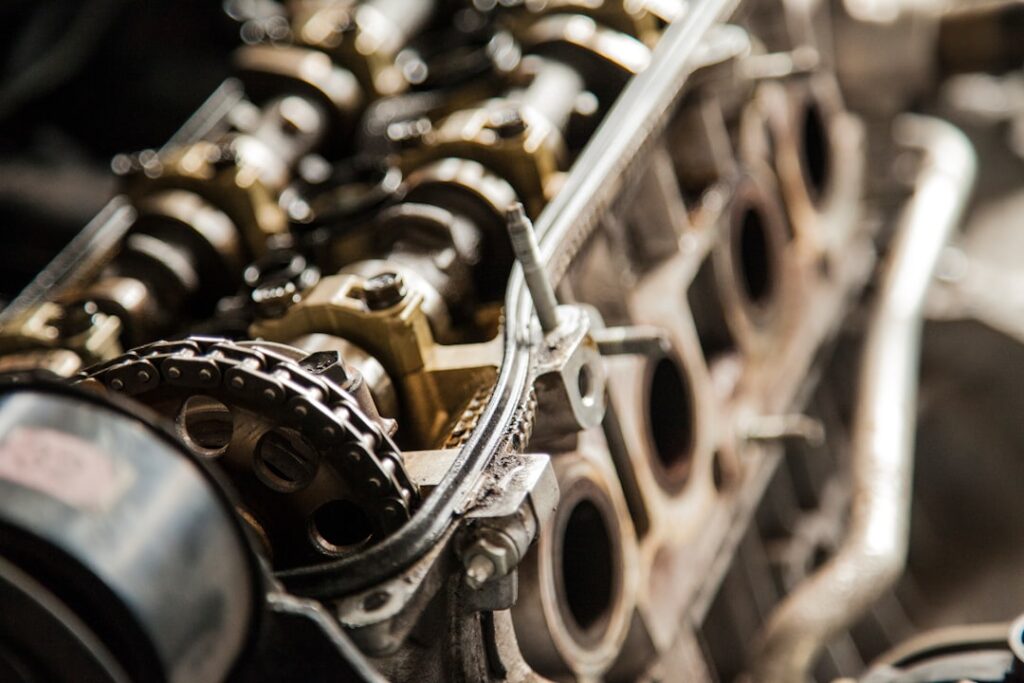
What Factors Influence Diesel Engine Fuel Efficiency in Elkton, MD?
Several conditions, both mechanical and environmental, impact how efficiently a diesel engine uses fuel. In Elkton, regular temperature shifts, humidity, and road types all play a part. Residents typically drive on a mix of rural highways, urban streets, and stop-and-go traffic, so engines may face variable loads and idling periods.
Common factors affecting performance include:
- Engine maintenance habits
- Tire condition and air pressure
- Driving style
- Load carried by the vehicle
- Fuel quality and storage practices
Understanding these influences helps local residents identify practical steps to reduce fuel waste and manage costs across different seasons.
How Does Routine Maintenance Save Fuel?
Routine engine care directly preserves fuel efficiency. Even small lapses—skipping oil changes or using clogged filters—can cause a diesel engine to consume extra fuel. Preventative steps in Elkton typically revolve around:
- Oil Changes: Diesel engines require timely oil changes. Thicker, dirty oil increases friction and reduces efficiency, especially in winter when temperatures drop.
- Air and Fuel Filters: Pollens and dust from local farms or construction can clog filters. Restricting airflow or fuel delivery makes the engine work harder and burn more fuel.
- Injector Cleaning: Diesel injectors can gum up over time due to short trips or cold starts common in local commuting. Regularly checked injectors ensure even fuel delivery.
Simple maintenance not only reduces fuel usage but can extend engine life—essential for anyone depending on their vehicle for work or regular travel.
How Can Driving Style Affect Diesel Fuel Use?
Driving habits have a powerful influence on diesel consumption, even in stop-and-go areas like Elkton. Smooth, steady driving—avoiding hard acceleration and abrupt stops—allows the diesel engine to remain within its ideal operating range.
Local examples include:
- Idling: Extended idling is often unavoidable due to rail crossings or traffic lights. Shutting off the engine when stopped for more than a couple minutes can save fuel.
- Speed Control: Maintaining a steady speed, especially in rural stretches just outside the city, prevents unnecessary fuel burn.
- Gear Use: For manual vehicles, shifting before engine revs climb too high reduces wastage. Automatic vehicles benefit from gentle acceleration to avoid downshifting unnecessarily.
Many Elkton drivers are surprised how much gentle adjustments to daily habits can save over the course of a year.
Is Tire Maintenance Really That Important for Diesel Efficiency?
Proper tire care has a bigger effect on fuel use than most drivers realize. Diesel engines are heavy, and underinflated tires increase rolling resistance, making engines work harder.
Key points:
- Air Pressure: Fluctuating Maryland temperatures cause tire pressure to drop. Checking monthly (and before long trips) ensures they match manufacturer recommendations.
- Tread Wear: Uneven or excessive wear can signal other issues like alignment problems, which also sap fuel efficiency.
For those using diesel vehicles to tow or haul around Elkton, correct tire care becomes even more crucial to maintain safe and economical operation.
Does Fuel Quality and Storage Matter in This Community?
Fuel quality is a sometimes-overlooked variable in diesel engine performance. Water, microbes, or sediment in fuel can reduce efficiency, especially if fuel is stored for long periods.

Locally relevant steps include:
- Tank Inspection: If storing diesel for backup generators or farm machinery, check tanks for condensation—particularly during damp weather. Water encourages microbial growth that clogs filters and injectors.
- Buying Practices: Consistently purchasing fuel from busy stations reduces the risk of contamination, since turnover is higher and storage tanks are less likely to collect debris or water.
Home storage of diesel should follow state and municipal safety codes to prevent contamination and fire hazards.
How Do Loads and Routes Impact Diesel Mileage?
The cargo a vehicle carries and the path it takes each day change fuel needs. Diesel engines are built for hauling, but overloading or towing excessive weight stresses the engine, using more fuel than necessary.
Locally, consider:
- Trip Planning: Combining errands or work trips, rather than making multiple short journeys, makes the most of each start.
- Weight Management: Removing unneeded tools, equipment, or seasonal gear from the vehicle reduces the load, especially if the item is only used occasionally.
- Route Selection: Choosing smoother roads or less congested paths around Elkton minimizes starts, stops, and idling.
Even slight weight reductions or smarter route choices make a difference over time.
Are There Seasonal Adjustments Specific to Diesel Vehicles in Elkton?
Seasonal changes bring unique challenges for diesel engines. Winters in the region can cause cold starts, which burn excess fuel before the engine warms up. Summers, while typically milder, bring humidity that can affect fuel storage.
To adapt locally:
- Cold Weather: Use winter-ready fuel blends as recommended, and allow the engine to idle briefly (not excessively) to circulate oil and avoid rough starts.
- Fuel Additives: In severely cold snaps, certain additives prevent gelling. Residents storing diesel fuel should use additives labeled for anti-gel properties and check state guidance for use.
- Battery Health: Cold snaps can weaken batteries, causing repeated start attempts and wasted fuel. Test battery condition before winter each year.
By adjusting habits with the seasons and paying attention to local roads and weather, community members can keep their diesel engines running efficiently—and reliably—throughout the year.