

 See My Latest Article on HelloNation
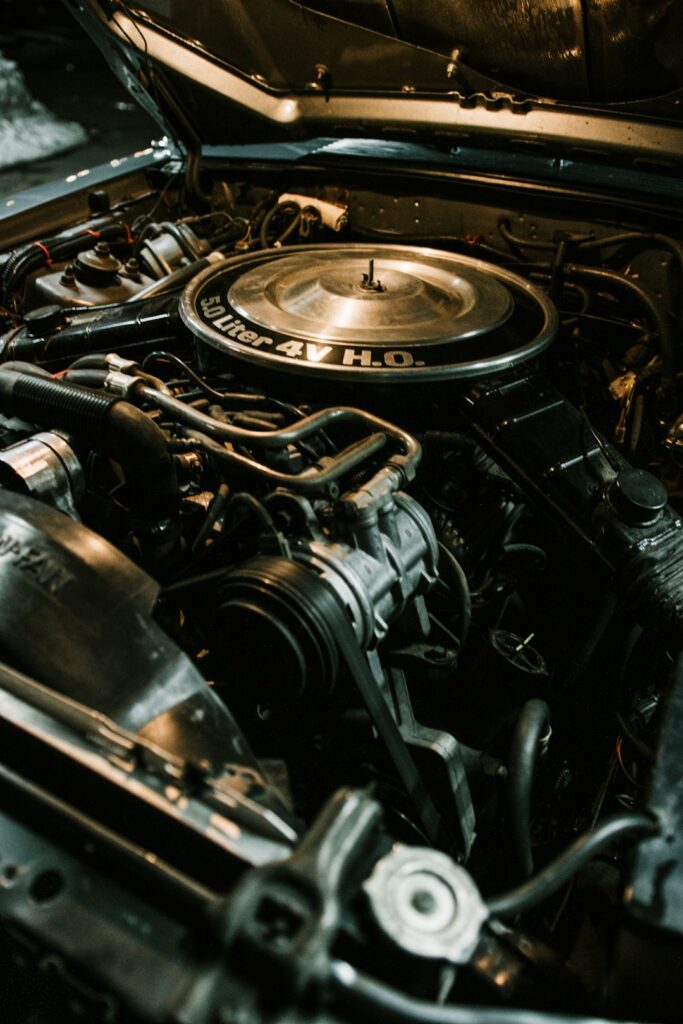
How Do Diesel and Gas Engines Work Differently?
Both diesel and gasoline engines rely on internal combustion, but they differ in how they ignite fuel. Gasoline engines use spark plugs to ignite a mix of fuel and air, while diesel engines rely solely on compression. In a diesel engine, air is compressed to a high temperature, and then fuel is injected, causing combustion from the heat of the compressed air.
This fundamental distinction leads to different engine designs and maintenance needs. For example, diesel engines are typically built with heavier components to withstand higher pressures, while gasoline engines are often lighter and quieter.
What Are the Main Practical Differences Residents Notice?
Local residents often ask about fuel efficiency, longevity, and how these engines perform through Elkton's seasons. Diesel engines generally provide higher fuel efficiency because they extract more energy from diesel fuel than gasoline engines do from gasoline. This can result in better mileage for drivers who cover long distances, such as those commuting to nearby cities or towing equipment for work or recreation.
Gas engines, on the other hand, tend to warm up more quickly in cold weather, which is relevant during Elkton's chilly winters. Diesel engines may require more time to reach operating temperature and sometimes benefit from block heaters or glow plugs to assist with cold starts.
Which Engine Type Lasts Longer in This Area?
Diesel engines often outlast gasoline engines when properly maintained, mainly due to their robust construction. Residents who rely on their vehicles for daily work or regular hauling may notice that diesel engines can remain reliable even after many years and high mileage. However, regular maintenance—like changing fuel filters and monitoring for water in diesel fuel—is especially crucial in the region’s humid summer months and during periods of heavy rain, as moisture can be a concern for diesel components.
Are There Differences in Maintenance Costs and Needs?
Diesel engines typically require more frequent fuel and air filter changes. They have fewer moving parts like spark plugs but demand attention to injector systems and may be more sensitive to fuel quality. Gasoline engines, by contrast, can be less expensive to maintain day-to-day, with parts that are widely available and easier to service for most local mechanics.
- Diesel maintenance highlights:
- Watch for water in fuel, especially after rainy periods
- Inspect glow plugs before winter
- Replace fuel and air filters regularly
- Gasoline maintenance highlights:
- Check spark plugs and wires
- Replace air filters at recommended intervals
- Monitor for oil leaks and overheating
How Do Emissions and Environmental Factors Compare?
Diesel engines produce less carbon dioxide on a per-mile basis due to higher efficiency, but they can emit more nitrogen oxides and particulates. This can be a factor near Elkton’s neighborhoods and schools, where air quality matters, especially for those with respiratory sensitivities. Modern diesel engines often feature particulate filters and exhaust after-treatment systems to help reduce these emissions.
Gasoline engines produce more carbon dioxide per gallon but generally create fewer particulates. For routine family driving or infrequent use, the difference in local air quality impact may be small, especially as both types of engines in newer vehicles meet stricter federal emission standards.

Fuel Availability and Seasonal Considerations
Diesel fuel is widely available throughout the city and surrounding areas, and gas stations offer both fuel types. However, diesel can gel in extremely cold weather, which means residents storing vehicles outdoors might need to use winter blend diesel or additives during the coldest months.
Gasoline remains stable in Elkton’s winter climate and is less affected by temperature changes. Families using vehicles for everyday errands or short trips may find that gasoline engines start more reliably during sudden cold snaps.
Common Misconceptions About Diesel and Gas Engines Locally
Some local households believe diesel engines are exclusively for large trucks or commercial use. In reality, modern diesel engines power many pickups, SUVs, and even some cars found on neighborhood streets. Another misconception is that diesel engines are always noisier or produce more smoke; emissions and sound levels have improved dramatically in the past decade.
Others assume gasoline engines can’t be used for towing or hauling. Many gasoline-powered vehicles are rated for trailers and loads within everyday needs, but diesel engines typically offer higher torque, making them more suited for sustained heavy-duty work.
What Should Area Residents Consider When Choosing Between Diesel and Gas Engines?
When deciding, consider driving habits, typical load requirements, seasonal weather, and how you use your vehicle around the area. Residents with long rural commutes or regular towing may benefit from diesel. Those driving mostly short local trips or wanting simplicity may prefer gasoline.
Ask yourself:
- How far and how often do you drive?
- Do you frequently tow or haul heavy items?
- Will winter cold starts be a concern based on parking conditions?
- Are you comfortable with potentially higher maintenance costs in exchange for longer engine life?
Choosing the right engine type means balancing these factors to fit how vehicles are used in and around Elkton’s neighborhoods and roads.