

 See My Latest Article on HelloNation
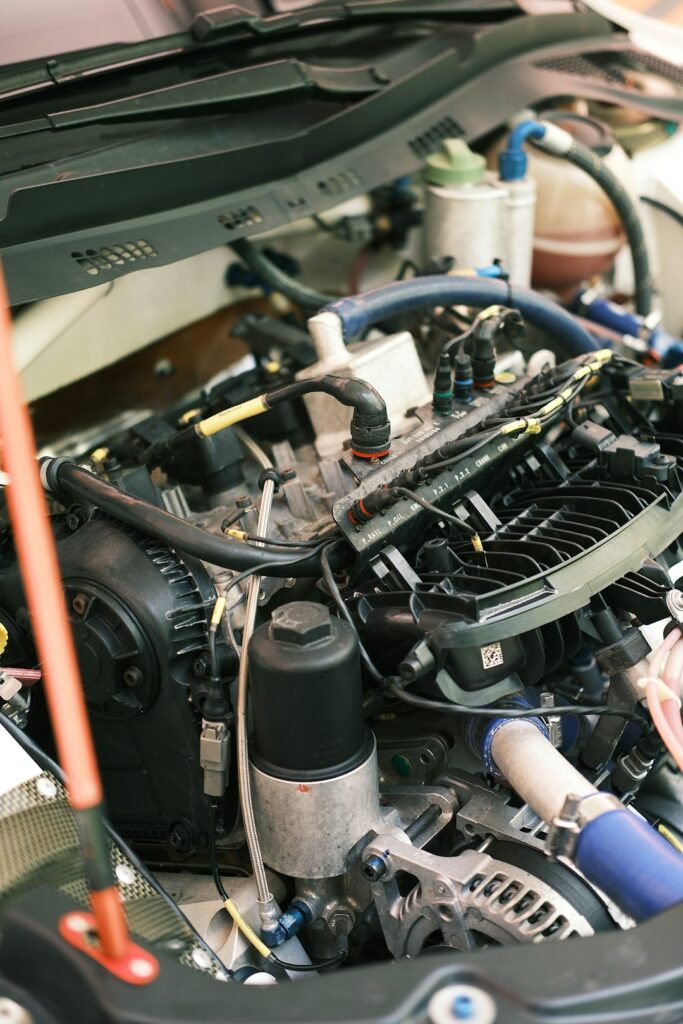
Why Is My Diesel Engine Making Strange Noises?
Hearing new or unexpected sounds from a diesel engine can be concerning, especially for those who rely on their vehicles or equipment for work and daily tasks in Elkton, MD. Unusual noises are often early indicators of issues ranging from routine maintenance needs to conditions requiring prompt attention.
What Noises Are Normal for a Diesel Engine?
Diesel engines naturally sound different from gasoline engines. They tend to run louder, producing a rhythmic clatter or knock, especially when cold. This characteristic is due to the higher compression ratios and ignition dynamics of diesel fuel. However, if you notice a sudden change in noise, a louder than usual clatter, or unfamiliar sounds like squealing, knocking, or grinding, these may suggest deeper problems.
What Types of Unusual Noises Should I Listen For?
Certain noises stand out as signals that something may be wrong:
- Knocking or Tapping: Distinct from the usual diesel clatter, these sharper, persistent noises could come from the engine’s cylinders or fuel injectors.
- Squealing: Typically heard from the front of the engine, a high-pitched squeal often points to a worn or loose belt or an issue with a pulley or bearing.
- Hissing: This may signal a leak, usually from a hose or the turbocharger system.
- Grinding: A metal-on-metal grinding could indicate issues within the engine or transmission, such as worn gears or bearings.
- Rattling or Clunking: These noises can stem from loose components or mounts, either within the engine itself or in related hardware.
What Causes Diesel Engines to Make Strange Noises?
There are several reasons a diesel engine might develop unusual sounds. The most common causes in the Elkton area include:
- Fuel System Issues: Poor-quality fuel, clogged filters, or faulty injectors can cause irregularities in how fuel is delivered to the engine, resulting in knocking or tapping.
- Worn or Damaged Belts: Over time, serpentine or accessory belts can wear down, loosen, or crack, often due to exposure to temperature swings and humidity—which local residents may observe between Elkton’s changing seasons.
- Loose or Damaged Engine Components: The bumpy roads and varying weather conditions around the area can contribute to gaskets, mounts, or brackets loosening or wearing out.
- Exhaust System Leaks: Rusting, typical in regions with winter road treatments, may lead to leaks that cause hissing sounds or louder-than-normal exhaust noise.
- Low Engine Oil or Poor Lubrication: Insufficient lubrication, sometimes the result of infrequent oil changes, can lead to increased friction inside the engine, creating grinding or knocking sounds.
How Does Elkton’s Climate Affect Diesel Engine Noises?
Cold winters, rainy seasons, and humidity all have a noticeable impact:
- Cold Starts: Engines are louder and may knock more until they are fully warmed up. Frequent short trips that don’t allow the engine to reach optimal temperature can also contribute to persistent noise.
- Humidity and Moisture: These factors promote rust, especially on exhaust systems and undercarriage components. Moisture intrusion may also affect electronic sensors or wiring, occasionally leading to malfunctions that change the engine’s sound.
- Salt Used on Roads: Corrosion from winter road treatments accelerates wear on exhaust pipes, mounts, and heat shields, all of which can add to the range of sounds an engine makes.

Should I Keep Driving if My Diesel Engine Is Making a Weird Sound?
A new sound can sometimes be traced to a minor issue, like a loose heat shield or a worn belt. If the noise is sudden, loud, or accompanied by performance issues (such as loss of power, difficulty starting, or warning lights), it’s safest to stop driving and assess the situation. Delaying inspection can sometimes turn a small and affordable fix into a much more costly repair.
In residential neighborhoods of Elkton, idling or revving a noisy engine can also disrupt others, so promptly investigating unexplained noises benefits both the vehicle and the surrounding community.
Can I Diagnose Strange Diesel Engine Noises Myself?
Some symptoms are straightforward to investigate visually or by listening:
- Check Belts and Pulleys: With the engine off and cool, inspect belts for cracks or looseness. Damaged belts often squeal before they fail completely.
- Look for Leaks: Puddles or stains beneath the vehicle may signal an oil or coolant leak contributing to hissing or knocking.
- Listen for the Source: Identifying if the noise is coming from the top, sides, or underside of the engine can help narrow down the problem.
If the problem involves internal engine components or is accompanied by other warning signs (smoke, loss of power), further diagnosis may go beyond what can be safely handled at home.
Are Diesel Engine Noises Always Signs of Major Problems?
Not all diesel engine noises indicate a severe issue. Some are the result of normal aging, seasonal changes, or even harmless vibrations. Yet, ignoring persistent or worsening noises is one of the most common mistakes, as early action often prevents bigger issues down the road.
In the context of Elkton neighborhoods, regular maintenance and awareness of how local weather impacts diesel engines help many area households minimize the risk of breakdowns and avoid unnecessary noise disturbances.