

 See My Latest Article on HelloNation
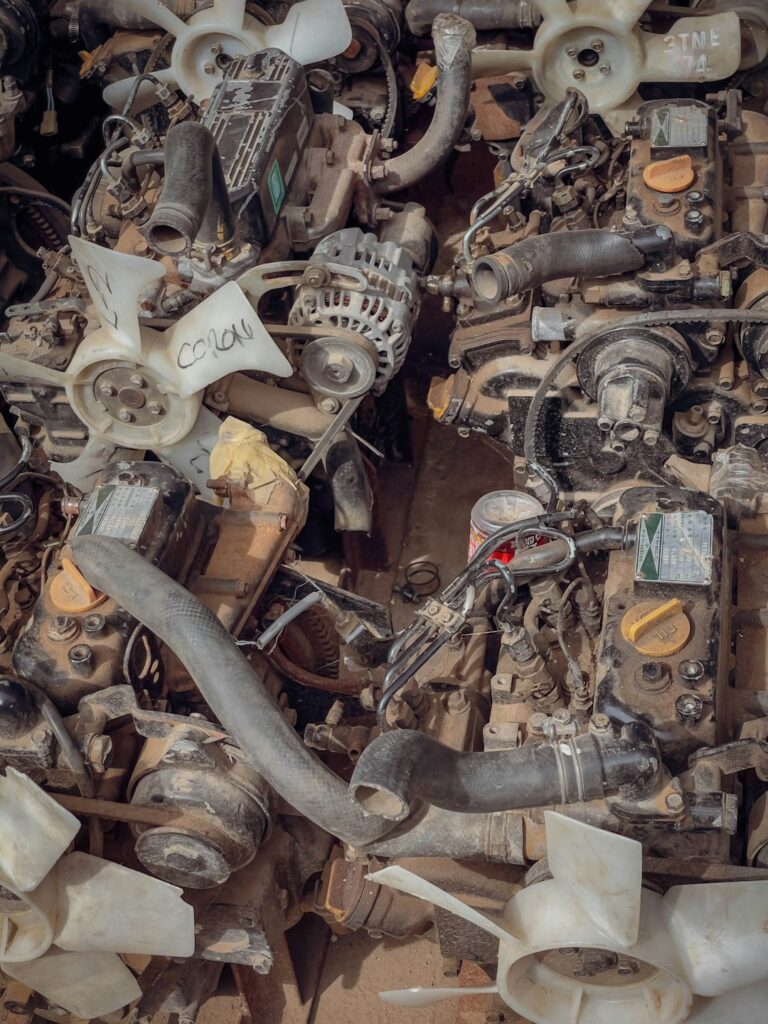
Why Does Black Smoke Appear from Diesel Engines?
Black smoke from a diesel engine almost always signals incomplete fuel combustion. This issue is more than just a cosmetic concern—persistent black smoke can indicate underlying mechanical or fuel-related problems. For residents in Elkton, diesel vehicles and equipment are common for both work and daily life, and knowing how to address black smoke helps ensure reliable operation and avoids worse damage over time.
Does Black Smoke Mean a Serious Problem?
Black smoke can range from harmless under certain temporary conditions to a sign of significant engine trouble. Frequently, black exhaust is caused by too much fuel or not enough air entering the engine. A puff during hard acceleration or on cold mornings is normal for some older diesel models, especially in colder climates like Elkton during the winter months. If the smoke is heavy, persistent, or appears under normal driving conditions, diagnostic steps should be taken as soon as possible.
What Are the Most Common Causes of Black Smoke in Diesel Engines?
Here are the most typical triggers for black diesel exhaust, especially relevant to vehicles and equipment found throughout the Elkton area:
- Dirty or clogged air filters: If an air filter is blocked by dust, pollen, or debris—common with rural roads and changing seasons in Elkton—the engine won’t get enough clean air, causing excess fuel in the mix.
- Faulty or worn fuel injectors: Injectors that stick open, leak, or fail to spray properly will deliver too much fuel or uneven patterns, both leading to incomplete combustion.
- Intake system leaks: Any leak or restriction between the air filter and the engine intake can skew the balance of air and fuel.
- Turbocharger issues: If the turbocharger isn’t working properly (common as engines age or after hard use), air flow drops and black smoke can increase.
- ECU sensor problems: On modern diesel engines, a malfunctioning mass airflow sensor or manifold pressure sensor can cause the engine’s computer to deliver an incorrect fuel/air ratio.
- Over-fueling from engine modifications: Some diesel owners in Elkton may add performance chips or tuning devices, which if misconfigured, can push too much fuel into the engine.
How Can You Begin Diagnosing Black Smoke at Home?
Most residents can start troubleshooting with a few straightforward checks. Begin with these non-intrusive steps:
- Check the air filter: Remove and inspect the air filter. If it’s very dirty or clogged, replace it and see if the smoke improves.
- Inspect visible hoses and clamps: Make sure hoses from the air filter box to the intake manifold are secure and have no cracks or holes. Watch for loose hose clamps, especially after recent maintenance.
- Notice when the smoke occurs: Take note if black smoke only appears during hard acceleration, at startup, or all the time. Extended smoke at idle or during gentle driving often points to deeper fuel system problems.
- Look for signs of excessive fuel use: If fuel efficiency has suddenly dropped or the exhaust smells heavily of unburnt diesel, injectors may need closer attention.
Remember that while basic inspections can be done in a driveway, some issues (like injector testing or ECU diagnostics) require special tools and technical knowledge.
Are There Seasonal or Local Factors That Affect Diesel Exhaust in Elkton?
Elkton’s weather and driving patterns can influence diesel smoke issues. Pollen, road dust, and field run-off during certain times of year may clog air filters more rapidly than in urban settings. Cold winter mornings often cause older diesels to emit a brief puff of black (or sometimes white) smoke as they fire up; this is down to thicker oil, sluggish fuel, and poor atomization at low temperatures. Trucks and tractors used for local agriculture or snow removal can also develop problems faster due to heavy loads or frequent idling.
Could Black Smoke Be Confused with Other Engine Issues?
It’s important to distinguish black smoke from other exhaust colors:
- White smoke: Usually suggests unburnt fuel from glow plug failure, coolant leaks, or compression loss—commonly seen in cold starts or with head gasket issues.
- Blue smoke: Indicates oil burning, often from worn piston rings or valve seals, rather than fuel problems.

Focusing on the actual color and timing of the smoke can help prevent misdiagnosis and unnecessary repairs.
What Are Less Obvious Causes People Overlook?
Beyond the basics, a few overlooked contributors include:
- Using low-quality or contaminated diesel fuel: Water or particulates in fuel bought from unreliable pumps can disrupt proper combustion.
- EGR (Exhaust Gas Recirculation) valve malfunction: If this system becomes clogged or fails open, excessive exhaust gases may re-enter the intake, lowering combustion temperatures and causing soot.
- Short-distance driving: Routine short trips, common for many local residents, prevent the engine from reaching operating temperature long enough to burn off minor buildup.
Can Preventive Maintenance Help Stop Black Smoke?
Regular checks and seasonal attention help minimize unexpected smoke:
- Replace air filters at recommended intervals, or more often if driving on unpaved roads.
- Use fuel from high-turnover stations to reduce chances of contamination.
- Let diesel engines reach proper operating temperature, particularly before heavy-load work or highway driving.
- Avoid unnecessary engine modifications unless you understand how they affect the air-to-fuel ratio and emissions.
By keeping on top of these tasks, households and work fleets in Elkton can often reduce smoke incidents and keep their diesel engines running cleaner.
When Is Black Smoke Worth Worrying About?
Minor, brief occurrences are common in colder weather or during sudden acceleration, especially for older diesel engines. However, persistent or heavy black smoke signals a problem that, if ignored, can lead to expensive repairs, decreased fuel economy, or potential regulatory scrutiny during annual inspections. If basic checks do not improve the situation, or if engine knocking, loss of power, or warning lights appear alongside smoke, avoid extended operation until the cause is confirmed safe.