

 See My Latest Article on HelloNation
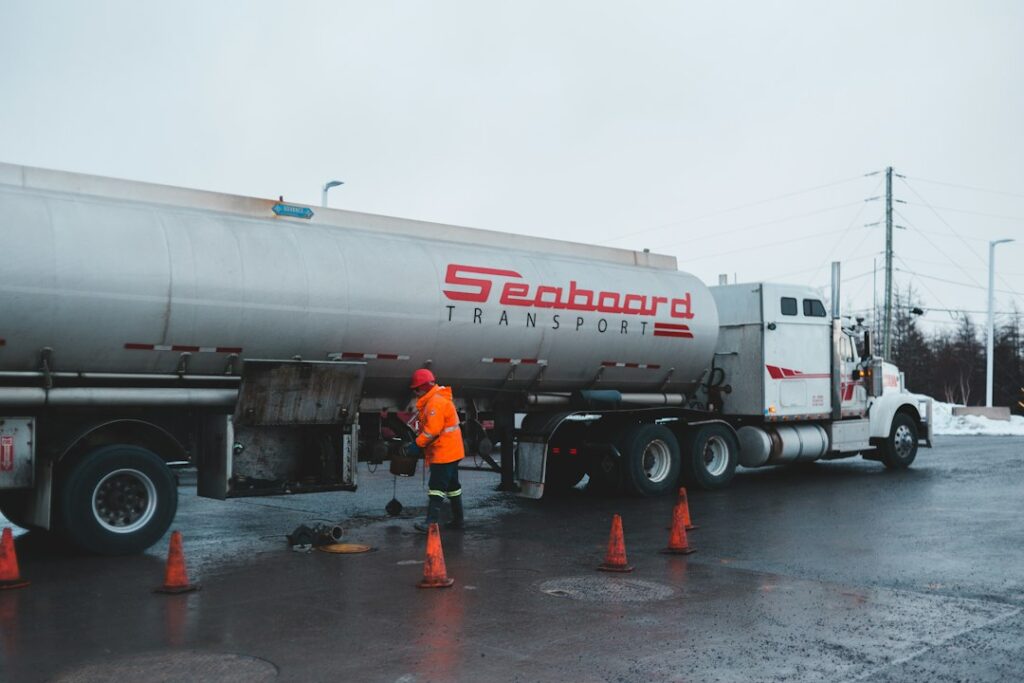
Diesel engines need a little more preparation before winter because cold temperatures affect fuel, batteries, engine oil, coolant, and starting systems. In Elkton, winter weather can shift quickly between damp conditions, freezing nights, and occasional snow or ice, so a vehicle or piece of equipment may need to start reliably after sitting outdoors.
Preparing before the first hard freeze is usually easier than troubleshooting a no-start condition on a cold morning.
Why does cold weather affect diesel engines?
Cold temperatures make diesel fuel less fluid, increase the effort required to crank the engine, and slow the chemical reactions inside the battery. Engine oil also becomes thicker, which makes the starter work harder.
Diesel engines rely on heat created by compression, along with glow plugs or an intake heating system, to ignite the fuel. If the battery is weak, the fuel is not winter-ready, or the starting system is worn, the engine may crank slowly without starting.
Moisture is another concern. Condensation can collect in fuel tanks, filters, electrical connectors, and storage compartments when temperatures change. This is particularly relevant for vehicles and equipment that sit outside or are used only occasionally.
What should be checked before the first freeze?
Start with a basic inspection while the engine is cold. Look for leaks, damaged wiring, loose battery connections, cracked hoses, and belts that show fraying or glazing.
The following items deserve attention:
- Battery condition and terminal cleanliness
- Engine oil level and viscosity
- Coolant level and freeze protection
- Fuel filter and water separator
- Glow plugs or intake heater operation
- Belts, hoses, and electrical connections
- Tire pressure, including trailer or equipment tires
- Block heater cords and connections, if equipped
A battery can appear acceptable during mild weather and still fail during a freezing start. If the engine cranks noticeably slower than usual, the battery and charging system should be tested before winter demand increases.
Battery terminals should be tight and free of heavy corrosion. Avoid placing tools across battery terminals, and do not work around a battery while smoking or near an open flame.
How should diesel fuel be prepared for winter?
Use fuel suitable for the expected seasonal temperatures and follow the engine manufacturer’s guidance. Winter-grade diesel is formulated to reduce the risk of wax crystals forming as the fuel gets cold. Wax formation can restrict fuel filters and prevent fuel from reaching the injectors.
Do not wait until a severe cold snap to address fuel concerns. A vehicle that has been filled with warmer-season fuel may be more vulnerable after sitting overnight in low temperatures.
Keeping the tank reasonably full can also reduce the amount of humid air inside the tank. As temperatures rise and fall, that air can contribute to condensation and water accumulation. A full tank does not eliminate contamination, but it limits the available air space.
Fuel filters and water separators should be drained or replaced according to the engine or equipment maintenance schedule. Water in diesel fuel can freeze, restrict flow, and damage sensitive injection components. Never drain fuel onto the ground or into a storm drain. Store and dispose of drained fuel according to applicable safety and waste-handling requirements.
Fuel additives should not be used casually. Some products are intended to prevent gelling, while others address water or lubricity. The wrong additive, an excessive dose, or mixing incompatible products can create additional problems. Follow the engine and fuel-system manufacturer’s instructions.
Is the coolant ready for freezing temperatures?
The cooling system should contain the correct coolant mixture and have enough freeze protection for local winter conditions. A low coolant level, weak mixture, or leaking hose can lead to serious engine damage.
Check the coolant only when the engine is fully cool. Opening a pressurized radiator or coolant reservoir while hot can cause severe burns. Inspect the radiator, expansion tank, hoses, clamps, and water pump area for signs of leakage or dried residue.
Coolant does more than prevent freezing. It also helps protect against corrosion and supports proper engine temperature. Adding plain water may temporarily raise the level but can reduce freeze protection and upset the intended mixture. If the coolant type or service history is unknown, testing is safer than guessing.
Do not rely on the dashboard temperature gauge alone. A gauge may show normal readings while a hose, reservoir, or radiator has a developing problem.

How can the battery and starting system be protected?
A diesel starter needs substantial electrical power in cold weather. A weak battery may not provide enough cranking speed to generate the heat needed for ignition.
Clean and tighten the battery connections, inspect the ground cable, and look for swelling, cracks, or leakage around the battery case. If the vehicle has two batteries, both should be evaluated because one weak battery can affect the entire starting system.
Glow plugs and intake heaters should also be checked if the engine has hard-start symptoms. A brief period of white smoke after starting can occur in cold weather, but repeated long cranking, rough running, or heavy smoke may indicate a problem with the heating system, fuel delivery, compression, or injectors.
When starting, switch off unnecessary electrical loads such as high-power lights, heated accessories, or audio equipment. Allow the glow-plug indicator to complete its cycle before cranking, following the instructions in the owner’s manual.
Avoid extended cranking. If the engine does not start after several short attempts, continued cranking can overheat the starter and drain the battery.
Should a block heater be used?
A block heater can make cold starts easier by warming the engine coolant or oil, depending on its design. It is useful for vehicles and equipment that remain outdoors during freezing weather.
Before winter, inspect the cord for cuts, exposed wires, melted insulation, or damaged plugs. Use a properly grounded outlet and keep the cord away from moving parts, hot exhaust components, standing water, and areas where it can be driven over.
A timer can reduce unnecessary operating time, but the heater should be used according to the equipment manufacturer’s instructions. Never use an improvised extension setup that is not rated for outdoor conditions or the heater’s electrical load.
What winter habits help after the engine starts?
Let the engine run long enough for oil pressure and stable operation, but avoid excessive idling. A diesel engine that idles for long periods may not reach the temperature needed to burn fuel cleanly, especially in very cold conditions.
Drive gently until the engine reaches normal operating temperature. Avoid heavy acceleration, high loads, or high engine speed immediately after starting.
Clear snow and ice from the windshield, mirrors, lights, air intake, and exhaust outlet before moving. A blocked exhaust outlet can allow dangerous gases to enter an enclosed area or passenger compartment. Never warm a vehicle inside a closed garage, even with the door partly open.
After driving on salted or treated roads, inspect exposed connectors, battery areas, and underbody components periodically. Road treatments and moisture can accelerate corrosion, particularly on equipment that is stored outside.
What should be done if a diesel engine gels or will not start?
Do not keep cranking if the engine turns slowly or the battery begins to weaken. Confirm that the exhaust outlet is clear, check for obvious fuel leaks, and move the equipment to a safe, warmer location if possible.
A gelled fuel filter may need to warm gradually before fuel flow returns. Do not use an open flame, torch, or improvised heater near the fuel system. Once the system is warm, the fuel filter and water separator may need inspection, and the underlying fuel condition should be addressed before the vehicle returns to service.
If the engine has been exposed to freezing temperatures, do not assume that adding an additive immediately will undo an existing blockage. Additives may help prevent future problems, but they may not quickly dissolve fuel wax already restricting a filter.
A short pre-winter inspection—especially of the battery, coolant, fuel filter, water separator, and starting system—can prevent many cold-weather failures. For residents and equipment owners in Elkton, preparing before the first prolonged freeze is a practical way to reduce delayed starts, avoid unnecessary strain on the engine, and improve winter reliability.