

 See My Latest Article on HelloNation
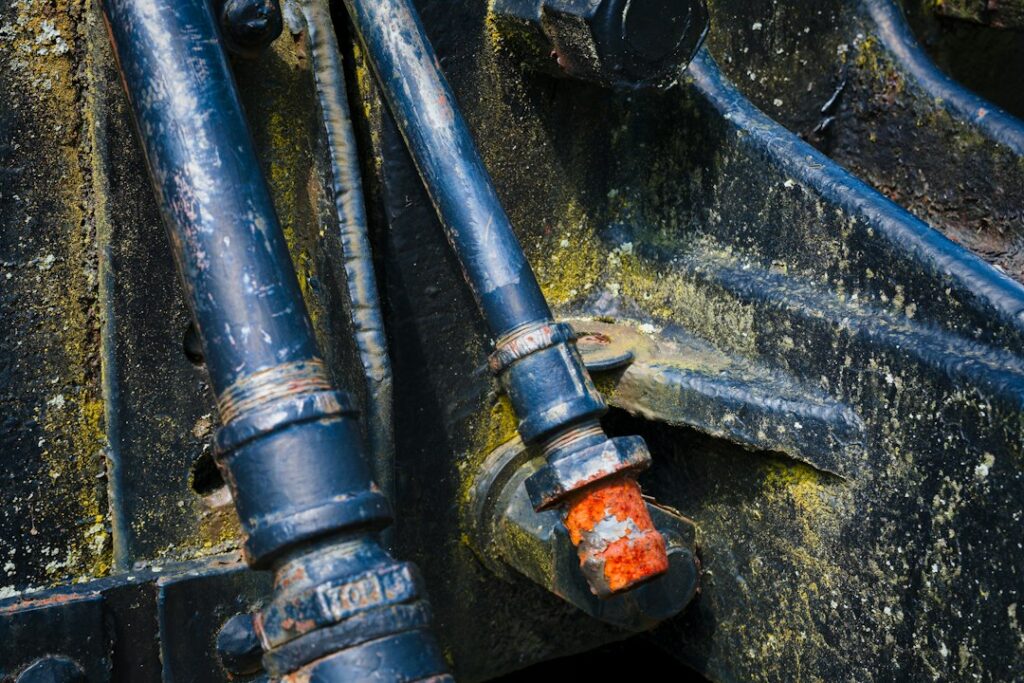
Diesel leaks are easier to address when they are identified early. A dark spot under a vehicle, a strong fuel odor, falling fluid levels, or oily residue around the engine can all point to a problem—but diesel fuel, engine oil, coolant, hydraulic fluid, and condensation leave different clues.
What are the most common signs of a diesel engine leak?
The clearest signs are fluid under the engine, unusual smells, visible wetness, and fluid levels that keep dropping. Some leaks appear only while the engine is running, so a clean driveway does not always mean the system is leak-free.
Look for:
- Fresh spots or puddles beneath the engine, transmission, fuel tank, or parked equipment
- Damp, shiny, or dark areas around hoses, fittings, gaskets, and filters
- Diesel odor near the vehicle or inside the cab
- Blue, black, green, yellow, or reddish fluid marks
- Smoke or steam from fluid contacting a hot engine component
- A low-oil, low-coolant, or warning indicator on the dashboard
- Hard starting, rough running, loss of power, or visible fuel around an injector
- A growing oily film on the underside of the engine or chassis
A small wet area may be an early leak. Waiting until a puddle forms can allow a minor seal or hose problem to become an engine, fuel-system, or fire-safety concern.
How can diesel fuel be distinguished from engine oil?
Diesel fuel is usually thin, slippery, and amber to light brown when relatively fresh. It has a strong petroleum odor and spreads quickly across pavement or cardboard. Engine oil is thicker and tends to remain in a heavier, darker patch, especially after it has circulated through the engine.
Color alone is not a reliable test because used diesel fuel and old engine oil can both appear nearly black. A clean piece of white cardboard placed beneath the vehicle can help reveal the fluid’s texture and spread pattern.
Never taste or deliberately touch an unknown fluid. Even a small amount of diesel fuel can irritate the skin, and used oil may contain contaminants. Use disposable gloves and wash exposed skin with soap and water.
What do coolant and hydraulic-fluid leaks look like?
Coolant is often easier to recognize because it may be green, orange, pink, blue, or yellow, depending on the formulation. It can leave a chalky or crystalline residue as it dries and may have a sweet odor. A coolant leak can also produce steam, engine overheating, or a rising temperature gauge.
Hydraulic fluid is commonly amber, red, or brown, although color varies. It is usually slick and may appear around hydraulic lines, cylinders, pumps, or fittings on diesel-powered equipment.
A leak from a pressurized hydraulic system can be dangerous even when the opening is tiny. Fluid under pressure may penetrate skin without causing a large visible wound. Do not use a hand to search for a suspected hydraulic leak. A piece of cardboard or paper held near—but not against—the suspected area is safer for visual inspection, with the engine shut down whenever possible.
Where should a diesel engine be inspected?
Begin with the highest points where fluid is visible, then trace the wet path downward. Fluid often travels along brackets, wiring, engine surfaces, and protective covers before dripping from a different location.
Pay particular attention to:
- Fuel filters and filter housings
- Injector return lines and fuel-line connections
- Rubber fuel hoses and clamps
- Oil-filter adapters, drain plugs, valve covers, and oil pans
- Coolant hoses, radiator connections, and expansion tanks
- Turbocharger oil lines and nearby fittings
- Transmission and power-steering connections
- Hydraulic pumps, cylinders, and hose ends on equipment
- The area around the fuel tank, cap, and filler neck
Cleaning a dirty surface can make a leak easier to identify, but avoid spraying water or degreaser onto electrical connectors, air-intake openings, or hot components. The engine should be cool before cleaning.
Why might a leak appear only after driving?

Heat, vibration, and pressure can make a leak visible only during operation. Rubber hoses expand as they warm, seals may soften, and engine oil or fuel can become thinner. A loose fitting may remain dry while parked but seep once the system reaches normal pressure.
A useful inspection sequence is:
1. Park on a level surface away from traffic and dry vegetation.
2. Turn off the engine and allow hot components to cool.
3. Place clean cardboard beneath the engine or suspected area.
4. Check fluid levels according to the owner’s manual.
5. Start the engine only if there is no strong fuel odor, active dripping, smoke, or obvious electrical hazard.
6. Observe from a safe distance for fresh wetness or dripping.
7. Shut the engine off immediately if the leak increases.
Do not crawl beneath a vehicle supported only by a jack. Use properly rated stands and stable ground, or limit the inspection to areas that can be viewed safely from outside.
What should be done if diesel fuel is leaking?
A diesel fuel leak should be treated as a potential fire and environmental hazard. Turn off the engine, keep away from cigarettes, flames, heaters, and sparks, and avoid operating electrical switches unnecessarily near a strong fuel odor.
If fuel is actively dripping, pooling, spraying, or reaching a hot exhaust component, do not drive the vehicle. Keep people and pets away from the area. Absorb small amounts with material intended for petroleum spills, and prevent the fluid from entering storm drains, soil, or surface water. Larger releases may require local emergency or environmental guidance.
A fuel leak around an injector, high-pressure pump, or high-pressure line deserves special caution. High-pressure diesel fuel can penetrate skin and cause severe injury. Never place fingers near a suspected spray pattern while the engine is running.
Can a diesel vehicle be driven with a small leak?
That depends on the fluid, leak location, and rate of loss. A light film around an older gasket may not create an immediate breakdown, but it still needs attention. A fuel leak, coolant leak accompanied by overheating, oil leak near the exhaust, or hydraulic leak under pressure should not be treated as minor.
Driving should stop when any of these conditions are present:
- Fuel is dripping or spraying
- The oil-pressure warning light is on
- The temperature gauge is rising or coolant is steaming
- Smoke comes from beneath the hood
- The vehicle develops a strong fuel smell inside the cab
- A fluid level drops rapidly
- Braking, steering, lifting, or other safety-related equipment is affected
The location’s seasonal conditions can make leaks harder to spot. Road salt, winter grime, mud, and standing water may hide residue beneath a vehicle, while warm weather can increase fuel and coolant odor. Regular checks after winter travel and before heavy summer use are particularly useful for diesel trucks, generators, tractors, and other equipment.
How can recurring leaks be prevented?
Routine checks help identify aging parts before they fail. Inspect hoses for cracking, swelling, abrasion, and soft spots. Check clamps and fittings for looseness without over-tightening them. Look for rubbed-through wiring or lines where vibration has caused contact with brackets.
Keep a simple record of fluid levels and the location of any spots found on the ground. The size, color, odor, and timing of a leak can help distinguish between fuel, oil, coolant, and hydraulic fluid.
A clean engine compartment is also easier to inspect, but cleanliness should not replace regular checks. The most useful habit is a brief walk-around before operation, followed by a closer inspection whenever a new odor, warning light, stain, or change in engine behavior appears.