

 See My Latest Article on HelloNation
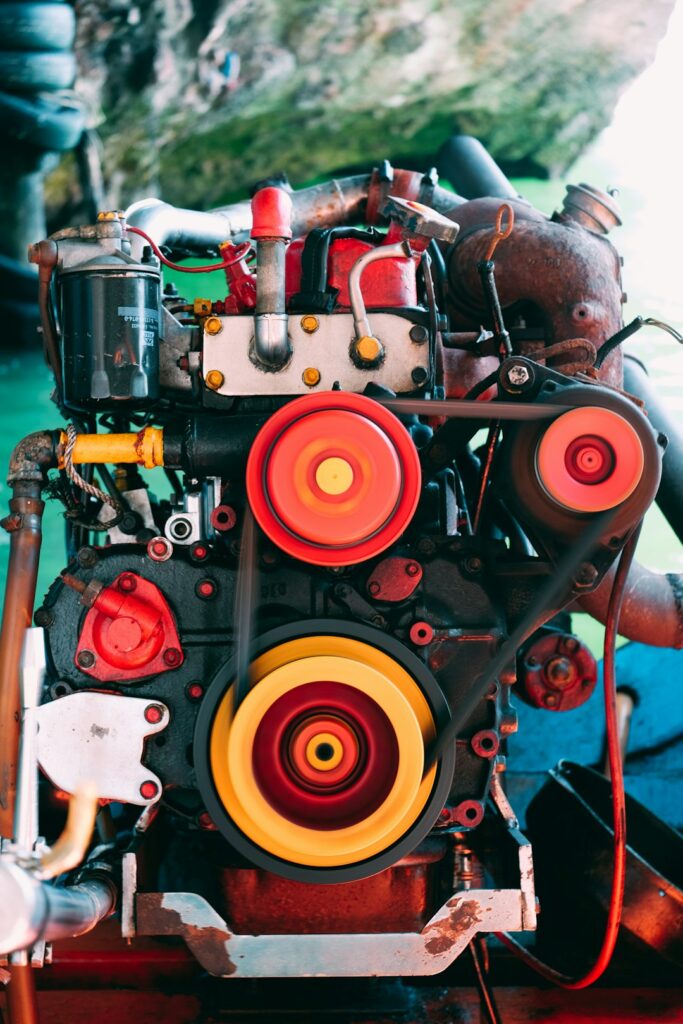
Diesel ownership often involves more than checking the oil and filling the fuel tank. A useful collection of basic tools can help residents identify problems early, handle routine maintenance, and avoid unnecessary damage during roadside or driveway repairs. The right tools do not replace technical training, but they make inspections more organized and safer.
Which tools should every diesel owner have first?
Every diesel owner should begin with tools for inspection, measurement, safe lifting, electrical testing, and basic hand repairs. A small, well-chosen kit is more useful than a large collection of specialty tools that rarely leave the garage.
The essential starting group includes:
- A complete metric and standard socket set
- Combination wrenches and adjustable wrenches
- Several screwdrivers, including flat-head and Phillips types
- Pliers, locking pliers, hose-clamp pliers, and long-nose pliers
- A sturdy flashlight or rechargeable work light
- Nitrile gloves, safety glasses, shop towels, and absorbent pads
- A digital multimeter
- A tire-pressure gauge
- A torque wrench
- A floor jack and appropriately rated jack stands
Diesel vehicles are often heavier than gasoline-powered vehicles, so tool strength and load ratings matter. A compact emergency kit may be kept in the vehicle, while heavier tools can remain in a garage or storage area.
Why is a digital multimeter so useful?
A digital multimeter helps diagnose electrical problems involving batteries, charging systems, fuses, relays, sensors, and wiring. Many starting and drivability complaints that appear to be fuel-related are actually caused by low voltage, poor grounds, corroded terminals, or damaged wiring.
A multimeter can be used to check:
- Battery voltage with the engine off
- Charging voltage while the engine is running
- Continuity through a wire or fuse
- Voltage drops across battery cables and ground connections
- Whether a circuit is receiving power
A battery that appears acceptable at rest may still fail under load. A basic meter cannot perform every battery test, but it can reveal obvious problems and help prevent guesswork.
Use caution around starter circuits, alternators, glow-plug systems, and high-current battery connections. Never allow a meter probe to bridge positive and negative terminals.
Does a diesel owner need a scan tool?
A scan tool is highly useful for modern diesel vehicles because electronic control modules monitor fuel pressure, exhaust treatment systems, turbocharger operation, temperature sensors, and emissions-related components. A basic code reader may identify a fault code, but it does not always explain the underlying cause.
A more capable scan tool may display:
- Stored and pending diagnostic trouble codes
- Live data from temperature, pressure, and airflow sensors
- Regeneration status for diesel particulate filters
- Fuel-rail pressure readings
- Battery and charging voltage
- Data from multiple vehicle control modules
A common misconception is that clearing a warning light fixes the problem. Erasing a code removes information without repairing the failed component. Record the code and the operating conditions before clearing anything, especially if the warning appears intermittently.
Some scan tools also provide manufacturer-specific information that a basic reader cannot access. Vehicle compatibility should be checked before purchase.
What tools help with fuel-system maintenance?
Cleanliness is the most important fuel-system tool. Diesel injection systems operate at very high pressures and can be damaged by dirt, water, or incorrect handling. A clean drain pan, fuel-safe container, small inspection light, and dedicated funnels are useful for routine filter changes and water separation.
Helpful supplies include:
- A fuel-filter wrench or strap wrench
- Clean plugs or caps for open fuel lines
- A hand-operated priming pump when compatible with the vehicle
- A clear container for inspecting drained fuel
- A supply of lint-free towels
- A dedicated funnel for diesel fuel
Do not use an improvised container that previously held chemicals or gasoline. Keep dust, leaves, and shop debris away from open fuel connections. High-pressure fuel lines should never be loosened while the engine is running or immediately after operation. The pressure can penetrate skin and cause a serious medical emergency.
Which tools are useful for tires, wheels, and roadside problems?
A diesel vehicle may be used for towing, hauling, commuting, or travel on rural and heavily traveled roads. A roadside kit should address tire damage, low pressure, poor visibility, and minor mechanical issues.
Consider carrying:
- A properly rated lug wrench
- A tire-pressure gauge
- A portable air compressor
- Tire plugs for temporary repairs, where appropriate
- Reflective warning triangles or roadside flares
- A heavy-duty flashlight
- Jumper cables rated for the vehicle
- A tow strap with a clearly known working load limit
- Extra fuses
- Basic hose-repair tape and electrical tape
A tire plug is not a permanent solution for every puncture. Sidewall damage, large cuts, separated tread, and unsafe tire conditions require replacement or specialized evaluation. Never crawl beneath a vehicle supported only by a jack.

Seasonal temperature changes in Elkton can alter tire pressure noticeably. Checking pressure when the tires are cold is more reliable than judging a tire by appearance.
Why should a diesel owner keep a torque wrench?
A torque wrench helps fasteners receive the tightening force specified by the vehicle manufacturer. Too little torque can allow leaks, vibration, or loosening. Too much torque can damage threads, distort components, or break bolts.
A torque wrench is especially valuable for:
- Wheel lug nuts
- Drain plugs
- Battery terminals and cable connections
- Fuel-filter housings
- Intake and exhaust fasteners
- Suspension and steering components
Torque specifications vary by vehicle and fastener. They should be confirmed in the correct service information rather than guessed. A torque wrench should also be stored properly, commonly with its setting reduced to the manufacturer’s recommended storage value.
What safety equipment belongs in a diesel tool kit?
Safety equipment is not optional. Diesel fuel, hot engine parts, pressurized fluids, moving belts, and heavy components can create hazards during simple tasks.
Keep the following nearby:
- Eye protection with side coverage
- Chemical-resistant gloves for fluids
- Mechanic’s gloves for handling parts
- A suitable fire extinguisher
- Wheel chocks
- A first-aid kit
- A drain pan large enough for the service task
- Adequate ventilation
- A spill-absorbent material
Avoid loose clothing, jewelry, and long hair near rotating components. Disconnecting the battery may be appropriate for some repairs, but it can also erase vehicle settings or affect electronic systems. Follow the vehicle’s service instructions before disconnecting power.
Which specialty tools are worth adding later?
Specialty tools should be added based on the vehicle and the work actually performed. Useful additions may include a coolant pressure tester, vacuum pump, infrared thermometer, compression tester designed for diesel engines, hose-pinch pliers, and a circuit test light.
An infrared thermometer can help compare temperatures across cooling-system components, exhaust sections, wheel hubs, and brake parts. A vacuum pump is useful for certain actuator and control-system tests, but it should not be used to diagnose every diesel fault. Diesel compression testing requires equipment rated for diesel pressures; a gasoline compression tester is not an appropriate substitute.
Before buying a specialty tool, identify the exact engine, model year, fuel system, and repair procedure. A tool that fits one diesel platform may be unsuitable for another.
How should diesel tools be stored and maintained?
Tools should be clean, dry, labeled, and easy to inspect. Fuel-system tools deserve separate storage so they do not pick up grease, metal filings, or dirt. Keep electrical test leads protected from cuts and corrosion, and check jack stands, lifting equipment, and extension cords regularly.
A simple maintenance routine includes:
- Cleaning tools after use
- Inspecting sockets and wrenches for cracks
- Replacing damaged gloves and worn hoses
- Testing flashlights and batteries
- Checking the expiration date on emergency supplies
- Confirming jack and stand load ratings
- Keeping service records and diagnostic notes with the vehicle
The most valuable tool is often accurate information. A repair manual, wiring diagram, maintenance schedule, and written record of symptoms can prevent parts from being replaced unnecessarily. Used together, dependable tools and careful procedures make diesel ownership more manageable through changing seasons, work demands, and everyday driving.